


 (5 / 5)
There are live albums, and then there are live albums that make you wish you had been standing in the audience. “Dancing On Bentwood Chairs” is firmly in the second category.
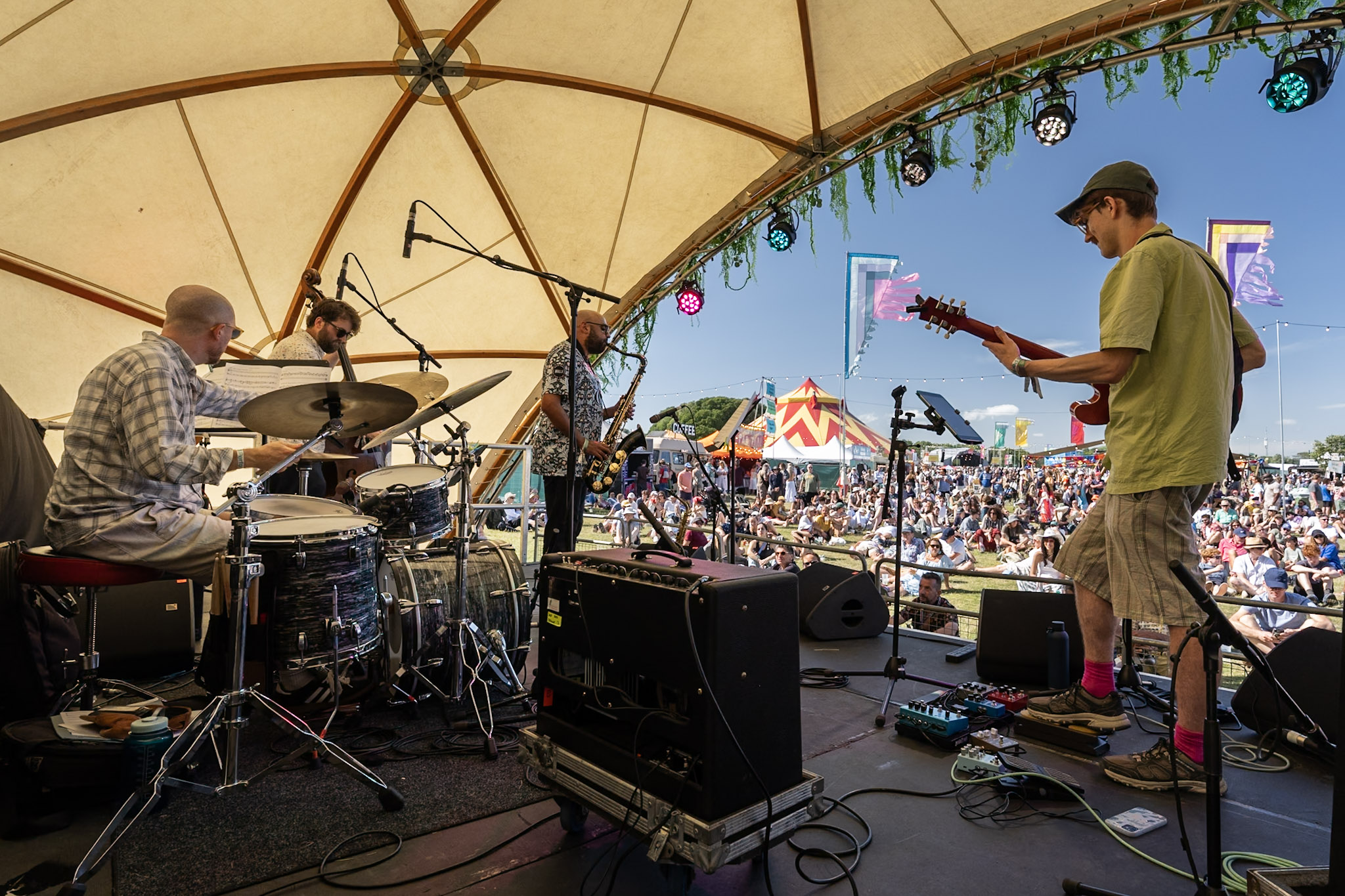
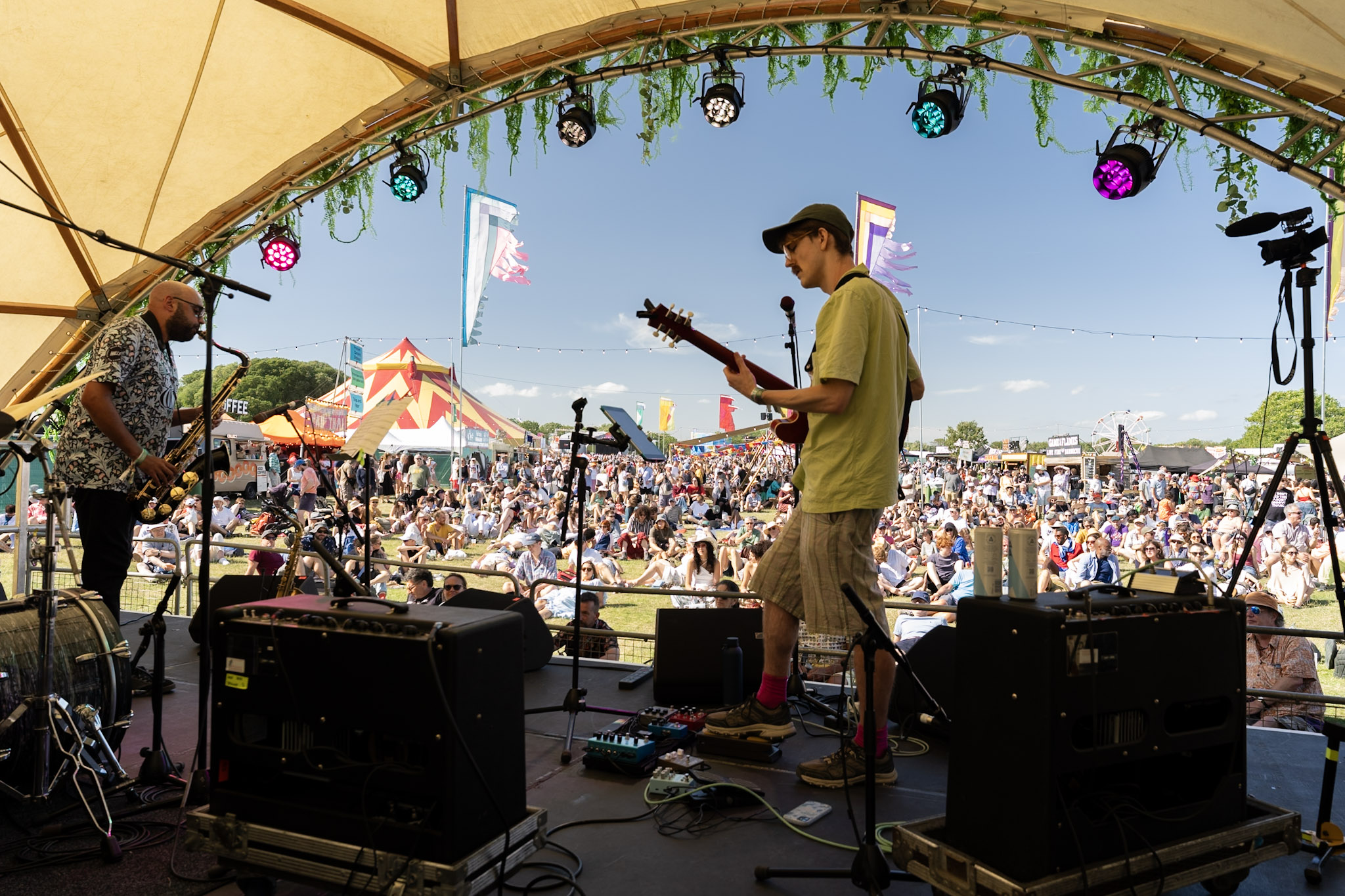
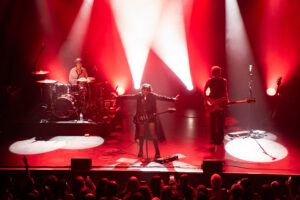
Recorded at the Love Supreme Jazz Festival 2026, performed on the New Generation Jazz Stage, this live release captures Billy Marrows and his quarte: Billy on guitar, Chris Williams on alto saxophone, Huw V Williams on double bass and Jay Davis on drums, doing what they clearly do best: listening to each other, taking risks and allowing the music to develop in the moment.
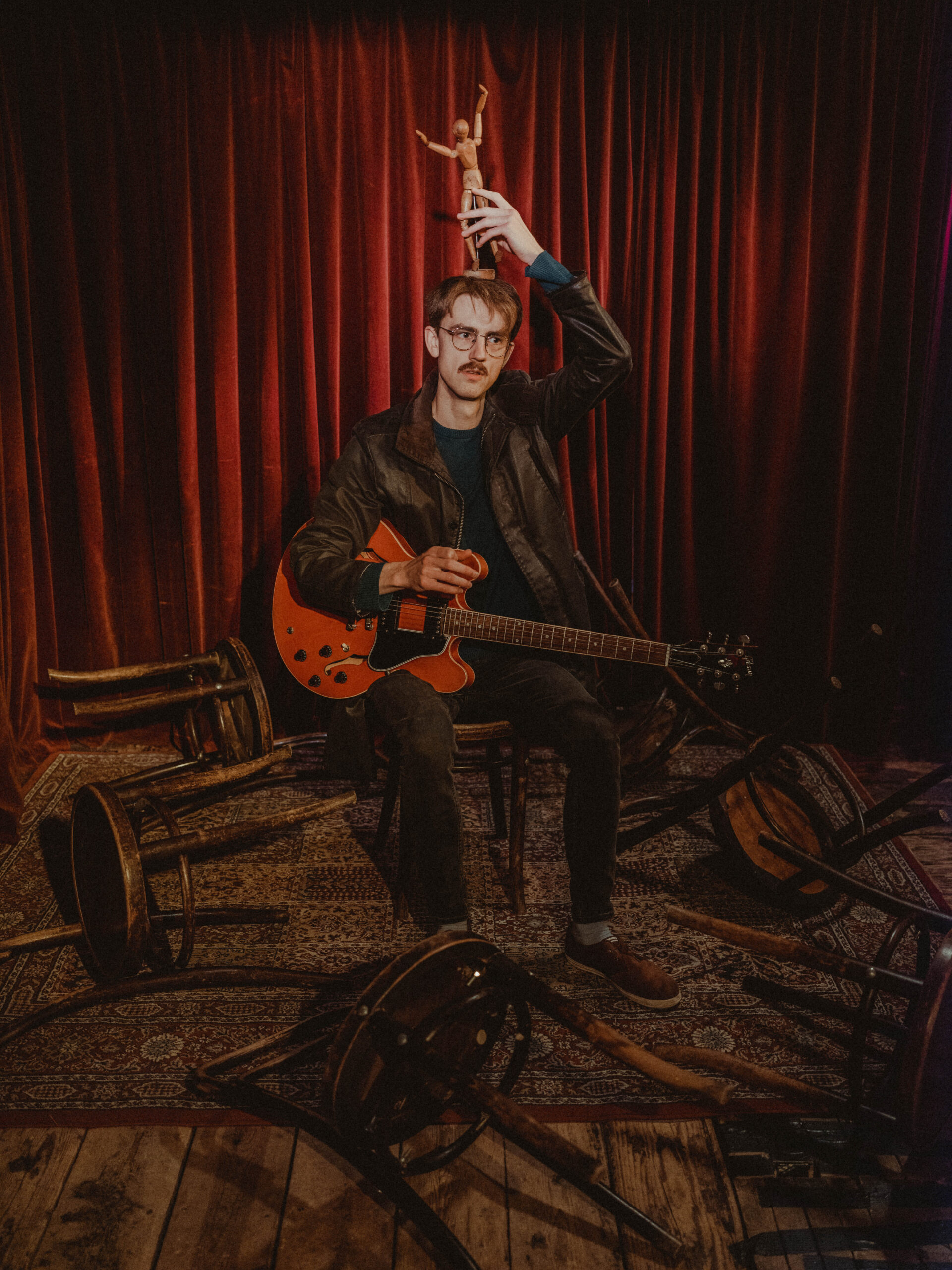
The quartet is just one part of Billy Marrows’ musical world. He also leads Grande Família, a larger ensemble that can range from a trio to a 12-piece line-up, as well as the Billy Marrows Big Band. His previous album, “Penelope”, received considerable recognition, being shortlisted for Album of the Year at the 2025 Parliamentary Jazz Awards. It was also a deeply personal project, created in memory of his late mother Penny and raising more than £6,000 for World Child Cancer.
Billy Marrows is an award-winning guitarist, composer and arranger whose music sits comfortably between contemporary jazz, fusion, improvisation and progressive music. His influences include the electric period of Miles Davis, Wayne Krantz and John Scofield, alongside contemporary artists such as Kneebody, Troyka and Enemy Trio. There are also traces of Funk and African Highlife within the music. But influences are one thing. What you do with them is another. And this quartet does a lot.
The Billy Marrows Band has developed a strong musical understanding. The compositions may be carefully constructed, but they leave plenty of room for the musicians to respond to one another. That is particularly apparent in this live recording at the fabulous East Sussex festival in early July this year.
 The music originated on “Dancing On Bentwood Chairs”, Billy Marrows’ second studio album, released in February 2026. Interestingly, it was recorded back in December 2021, after the quartet had already been developing the material through live performances. The album was then put aside while Marrows concentrated on “Penelope” and his Grande Família project. So this is music that has had time to grow. And it shows.
“The Cock-Eared Optimist” opens with shifting rhythms and intricate interplay. Originally inspired by Billy Marrows’ childhood cat, the piece is complex without feeling clinical. Jay Davis and Huw V Williams provide a flexible foundation while Billy Marrows’ guitar darts around it.
“Woland Blues” takes its inspiration from Mikhail Bulgakov’s “The Master and Margarita”. Darker and more theatrical, it allows Billy Marrows’ loops and distorted guitar textures to collide with Chris Williams’ expressive saxophone. It feels like jazz has wandered into a Russian literary fever dream and decided to stay.
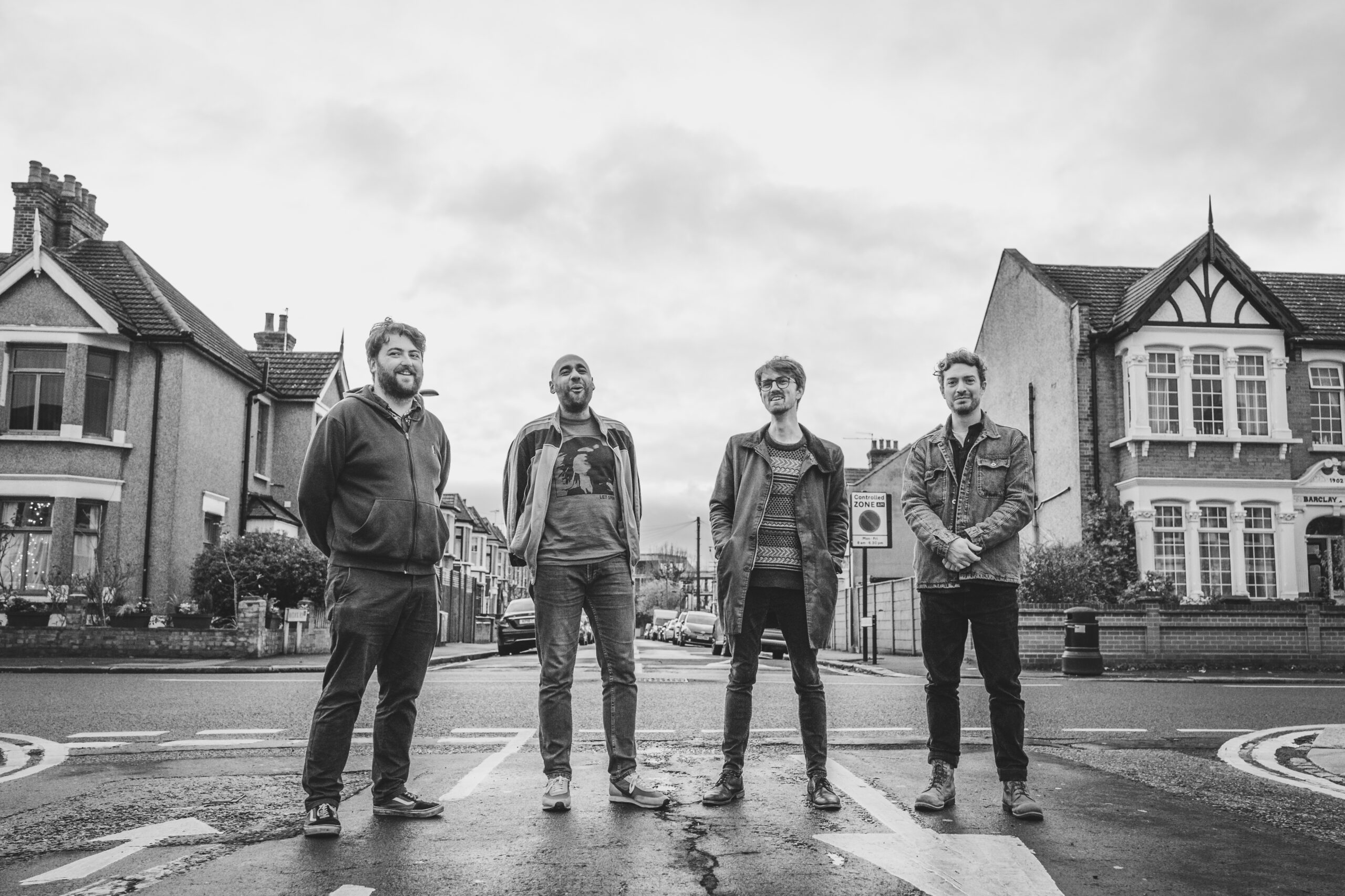
A short “Band Introductions” gives everyone a moment to breathe. It is also a useful reminder that behind all the technical ability are four musicians who clearly enjoy playing together.
“The Protagonist” is more searching. Guitar and saxophone seem to have a conversation rather than simply taking turns, while the rhythm section leaves enough space for the music to develop naturally.
“Intro to Capel Fawnog” creates a quieter, atmospheric moment before “Capel Fawnog” opens into something much broader and more lyrical. There is a real sense of landscape in the music, with delicate guitar textures giving way to richer harmonies.
“Closing Remarks” is a short, unedited exchange with the Love Supreme audience. It is a small detail but an important one. You can hear the warmth between band and audience, and it makes the album feel like a document of an actual performance rather than a studio exercise dressed up as one.
And then comes “Dancing On Bentwood Chairs”. The title track is the obvious finale. Its infectious African Highlife influence sits alongside complex rhythms and Davis’ energetic drumming, while guitar, saxophone and bass push the piece towards a joyful conclusion. It is difficult to imagine a better way to finish the set.
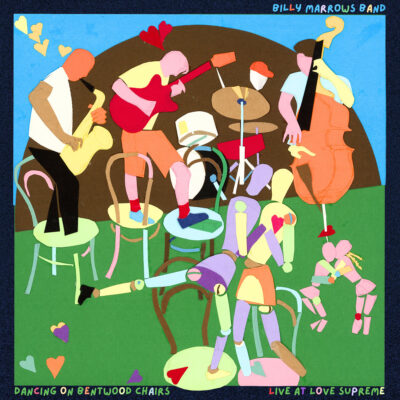
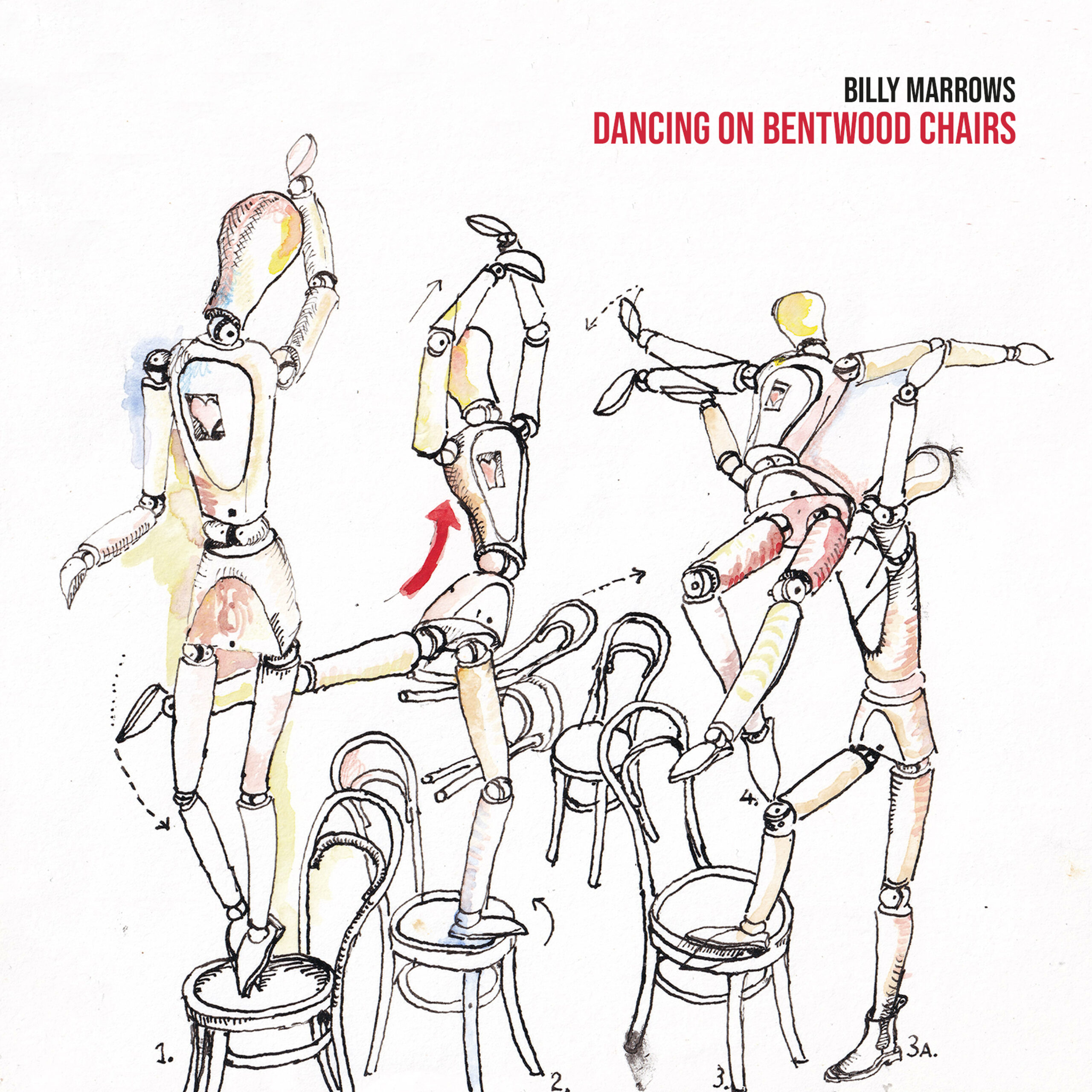
 The title “Dancing On Bentwood Chairs” comes from artwork by Timothy Morrison, Billy Marrows’ father, a North Yorkshire-based artist. His artwork includes the words: “My days of dancing on bentwood chairs were over… until now!”
The phrase refers to Timothy’s time as an art student and an unconventional art-school escapade involving bentwood chairs. Somehow, it is a wonderfully appropriate title for this music. Timothy Morrison also created the artwork for the original studio album.
The compositions are rhythmically intricate, harmonically adventurous and often unpredictable, yet there is always a melody, groove or texture to grab onto. Marrows’ use of the ‘Blooper loop pedal’ adds another dimension, allowing guitar sounds to be stretched, repeated, distorted and transformed in real time.
Chris Williams is equally important to the sound. His alto saxophone can be lyrical, bluesy, abrasive or almost vocal, often responding to Marrows rather than simply sitting over the top of the composition. Huw V Williams and Jay Davis provide the engine room, but calling them a rhythm section almost undersells their contribution.
They are constantly shaping the music, responding to the guitar and saxophone and creating the space in which the improvisation can happen. Their collective awareness is what makes the recording so compelling. The music is experimental, accessible, rhythmically adventurous and intelligent without ever showing off. Most importantly, it is fun. You can hear four musicians enjoying the freedom of playing together.
There is humour in it. There is drama. There is beauty. There is groove. And there is a very real sense of musicians enjoying the freedom of playing together in front of an audience. For anyone who thinks contemporary jazz means sitting very quietly while someone plays something complicated and everyone pretends to understand it, this is an excellent corrective. Turn it up. And don’t worry too much about the chairs.





Recent Comments