



There was something magical about watching Mike Rosenberg under the guise of Passenger walk onto the stage last night, knowing that not so very long ago he was the guy with a guitar and an open case, busking around Brighton.
He has since made the wild journey from Brighton pavements to a worldwide audience, billions of streams, 16 studio albums and “Let Her Go”, a song that somehow became a global phenomenon. Last night, though, he seemed genuinely delighted to be back where the whole thing started.
 And Passenger is still Passenger. He stood there with his guitar, looking slightly bemused by the whole business, and spent almost as much time talking to the audience as he did singing to them.
There were stories about Brighton, his early days, his songs and the strange journey from playing to whoever happened to stop in the street to having several thousand people singing your words back at you.
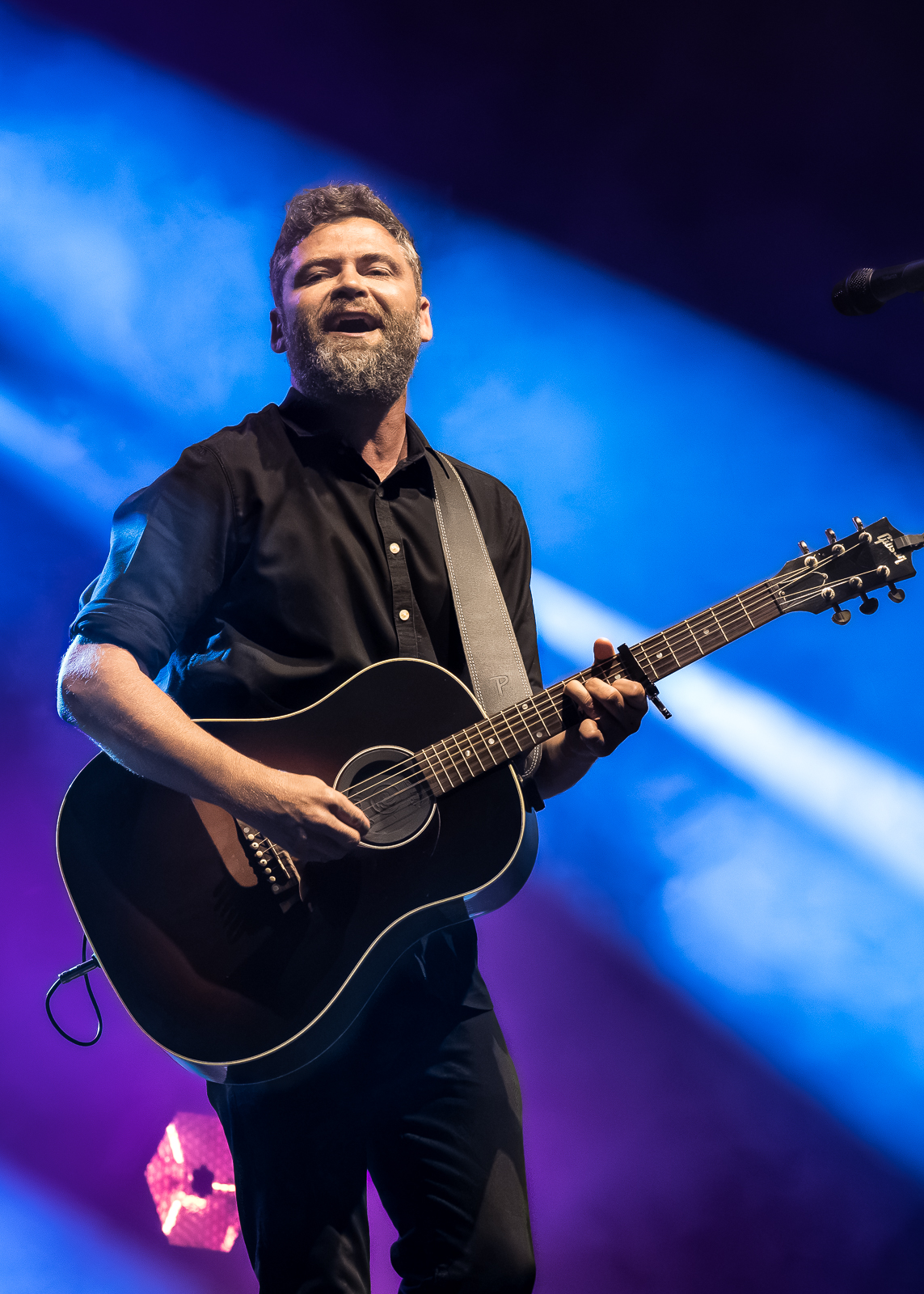
There’s something wonderfully unassuming about Mike Rosenberg, as though he still can’t quite believe this is what he gets to do for a living.
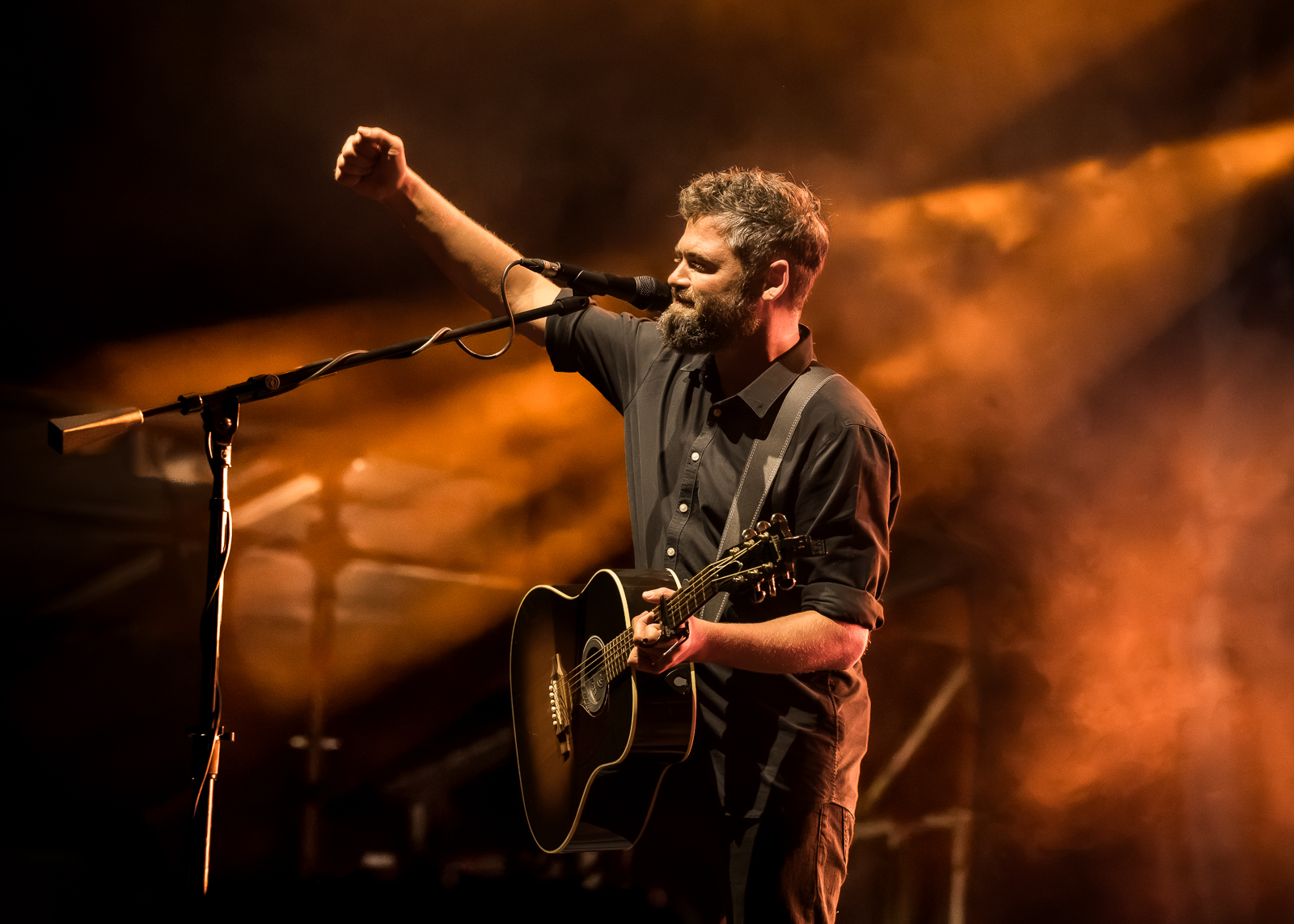 We were treated to “Survivors” and “Life’s for the Living”, then he worked his way through a set that was very much about the songs rather than spectacle. “Table for One”, “Boomerang”, “Sword from the Stone” and “Victor’s Song” all had their moment.
Then came “The Sound of Silence”, which gave us one of those moments when a park full of people suddenly becomes very quiet. That was followed by “I Hate”, one of Passenger’s more mischievous songs, before “Young as the Morning Old as the Sea” and “Wild Love”.
But really, this is Passenger’s superpower. One man, one guitar and a huge crowd, yet somehow he can make the whole place feel incredibly intimate. At times everyone fell completely silent, some people closing their eyes and simply listening. There was no huge production or elaborate stage show needed. Just Mike Rosenberg, his guitar and a voice that can quietly mesmerise thousands of people. Not many artists can do that.
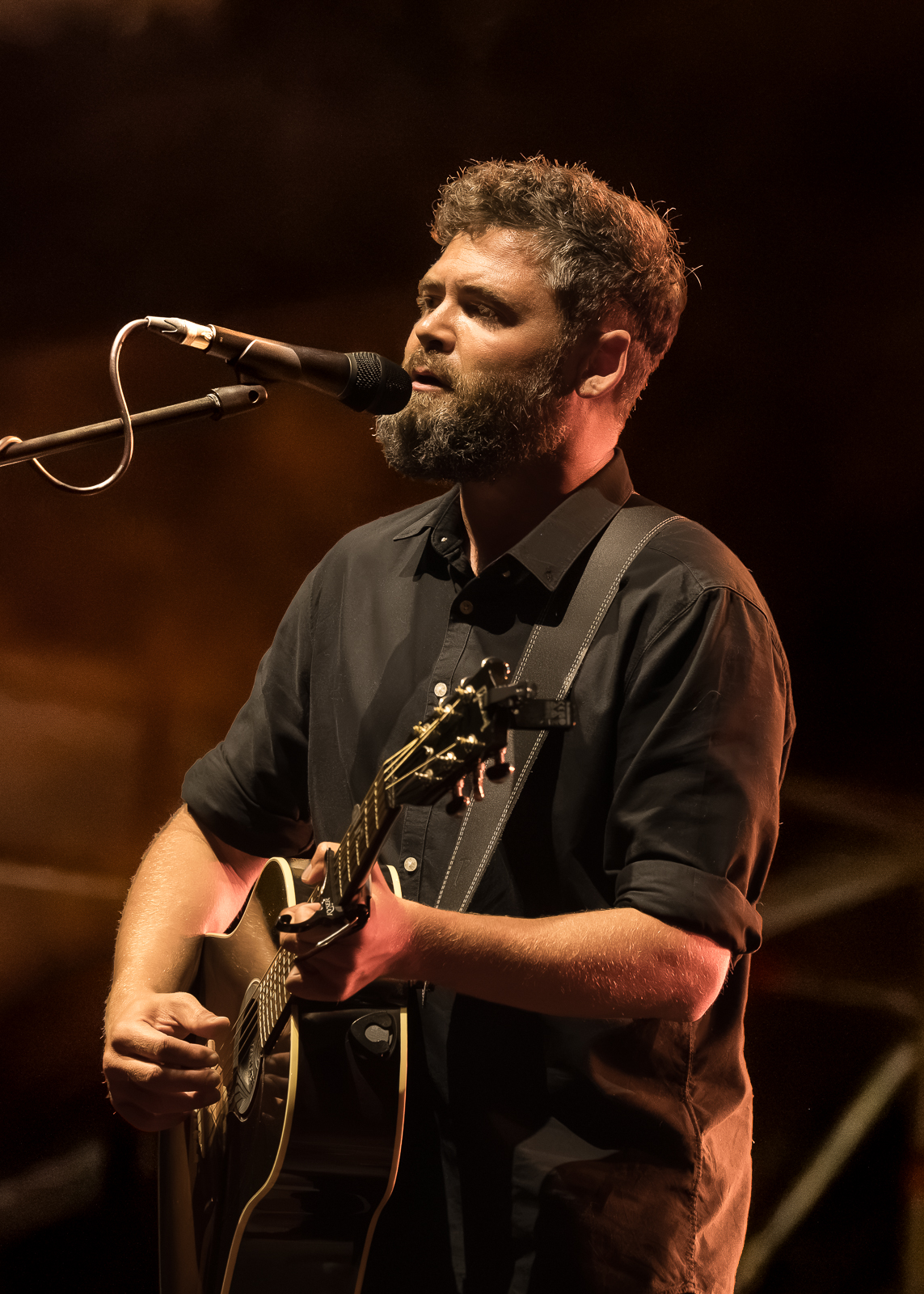
The most moving and intimate moment came with the opening chords of “Let Her Go”.

Almost immediately, thousands of phones appeared above the crowd, turning Hove Park into a sea of tiny lights. Everyone was singing, and for a few minutes the whole place felt strangely still and connected.

Released on “All the Little Lights” in 2012, “Let Her Go” went to number one in 19 countries and turned a Brighton busker into an international star.
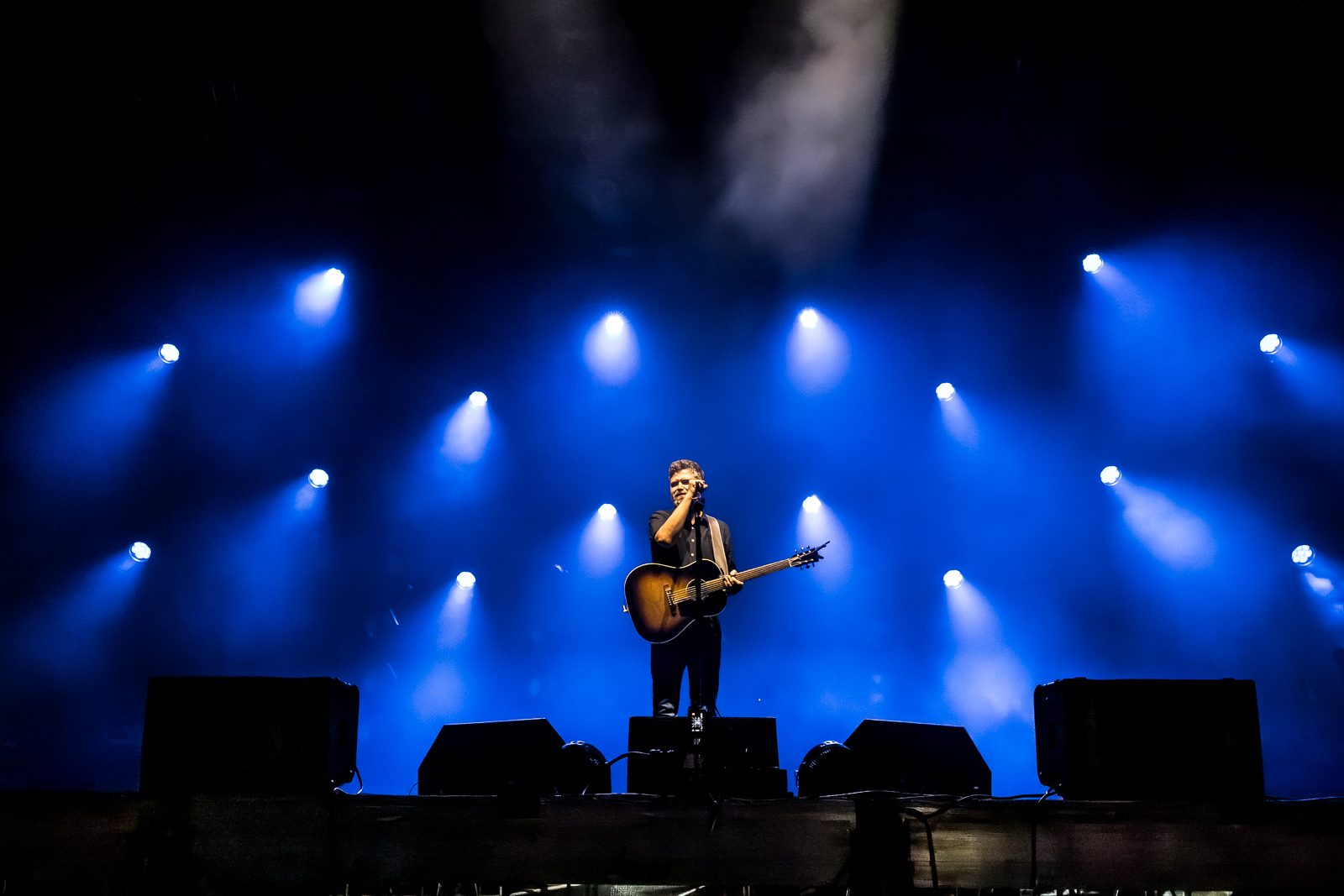 Passenger’s career began with Rosenberg busking around Brighton and Hove before he moved on to Australia, where his audience grew, eventually leading to the extraordinary success of “Let Her Go”.
The original band Passenger, formed in Brighton in 2003, released one album before splitting in 2009; Rosenberg then kept the name for his solo career.

Last night felt like a full circle moment. The teenager who left school to chase music and spent years busking, has ended up standing on a large stage with thousands of people waiting to hear him sing. His career has taken him around the world, through chart-topping success and major tours.


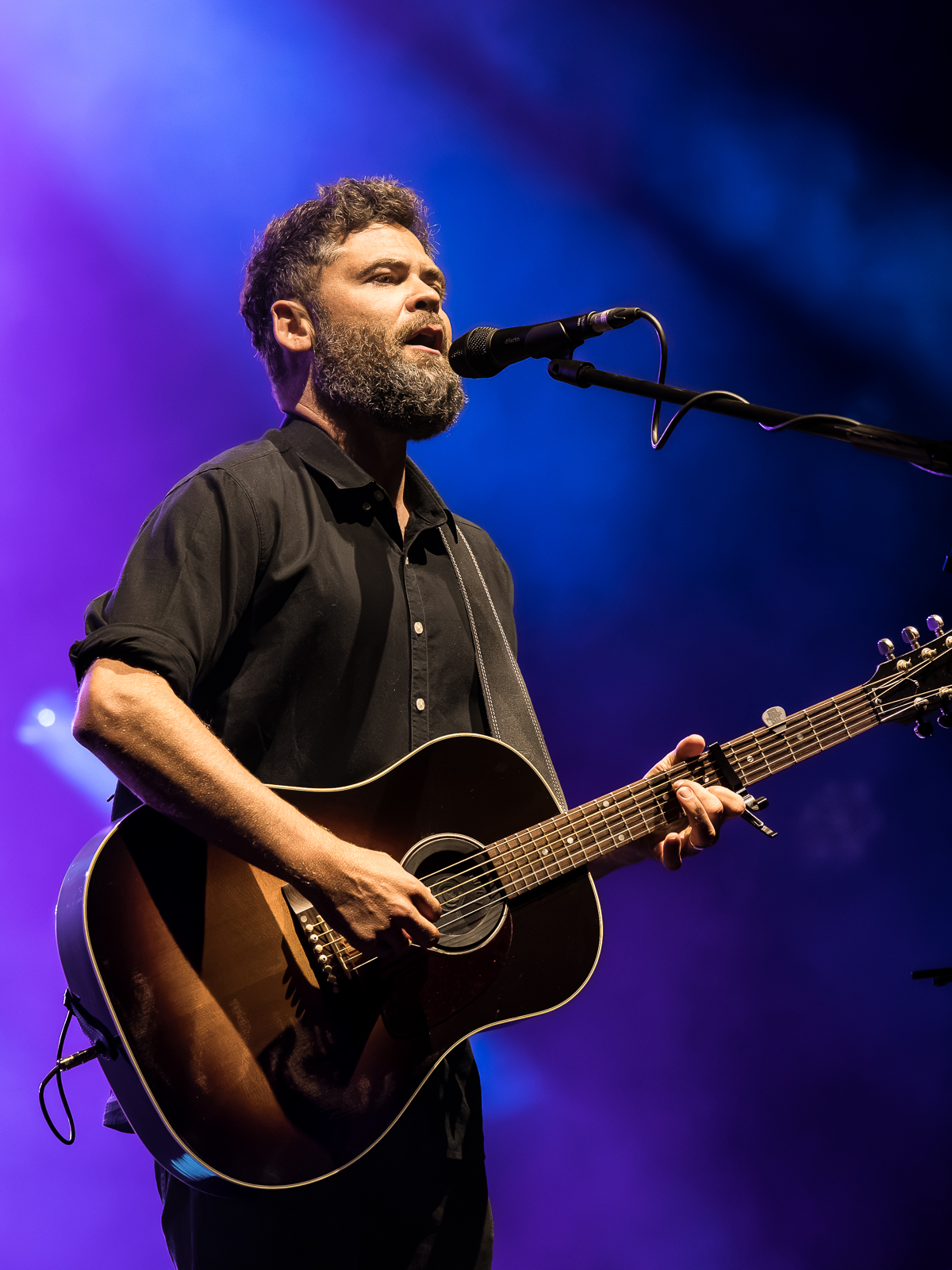


Yet there was very little sense of distance between the man on the stage, standing there with just his guitar leaving thousands of people spellbound, and the bloke who might once have been sitting on a Brighton pavement with a guitar case.The songs have travelled a very long way. The man hasn’t changed quite so much.
There was a strong supporting cast today. First up was Chris Simmons, the Worthing singer-songwriter, who has been quietly building a reputation for years. His music sits somewhere between folk, indie and classic songwriter territory, with a distinctive voice that has attracted some serious admirers.
Jackson Browne has described him as “a truly great songwriter”, while The Times once called him “one to watch”. He has played Glastonbury and the Isle of Wight Festival, toured with artists including Matt Corby, Kate Nash and Suzanne Vega, and has also shared stages with his fellow Brightonian, Passenger.
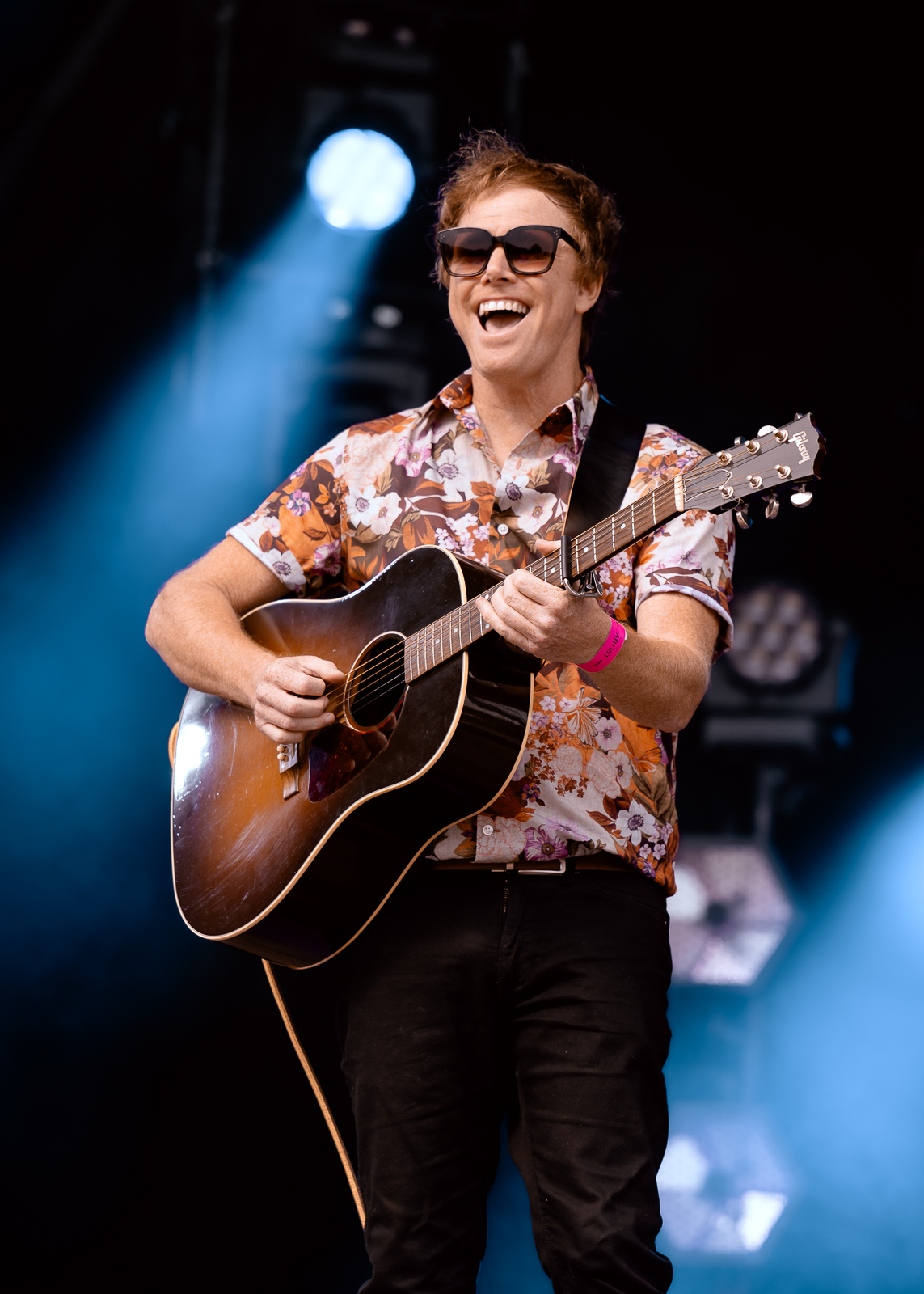
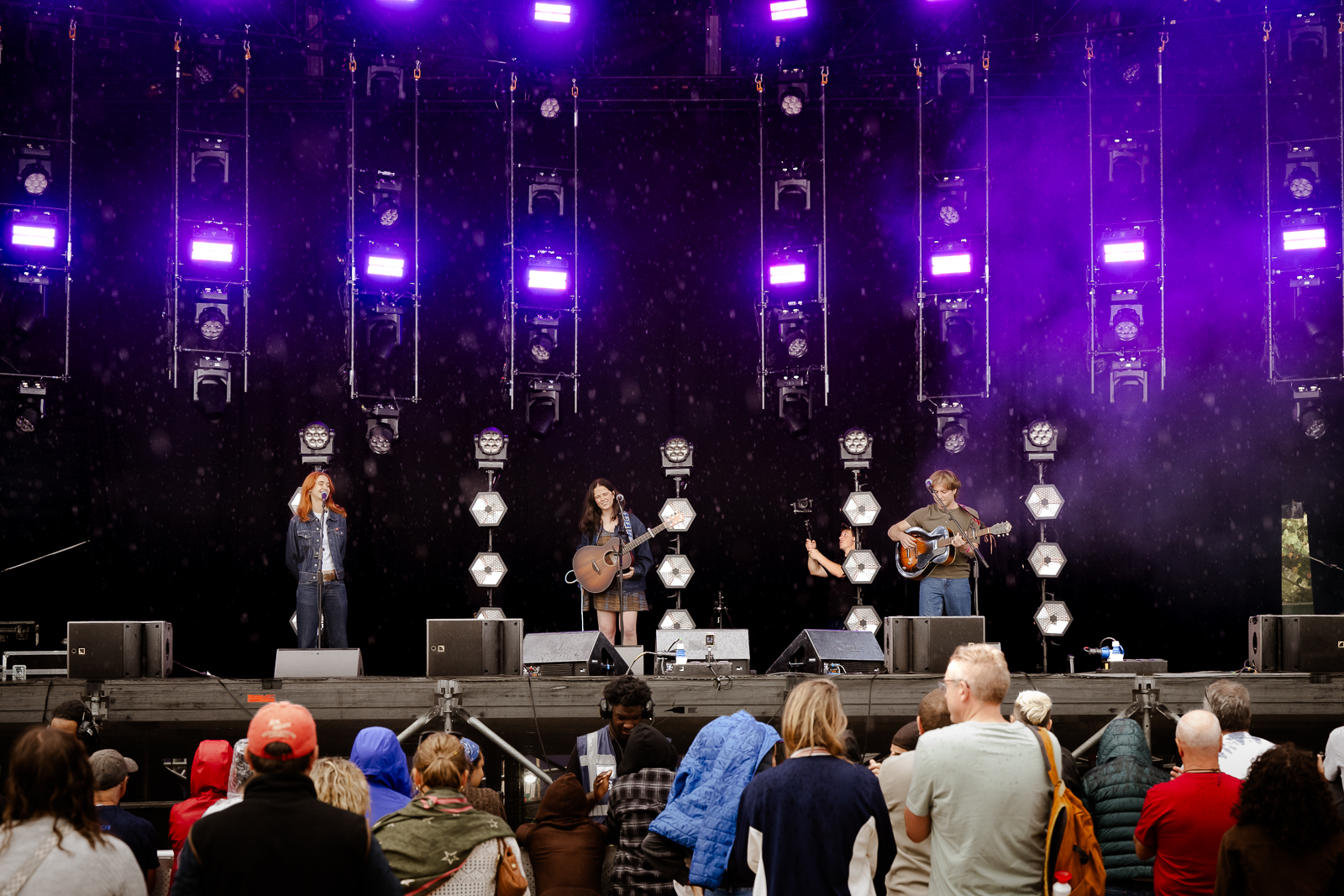
Next came Ber (stylised), the Minnesota-born, UK-based singer-songwriter Berit Dybing. She has had a fairly rapid rise, moving from her early EPs “And I’m Still Thinking About That”, “Halfway” and “Room For You” to her debut album “Good, Like It Should Be”, released earlier this year.
Her sound has a lovely mixture of indie pop, country and Americana, with plenty of warmth and some very personal songwriting. She brought a different energy to the afternoon, brighter, more pop-oriented and full of personality.
Then came John Smith, a musician who is considerably harder to describe as “support” because he has already spent around two decades building a career of his own.
The British folk guitarist and singer-songwriter has worked with an extraordinary list of musicians, including Joan Baez, David Gray, Jackson Browne, Patty Griffin and Tom Jones. He has also accumulated more than 125 million Spotify streams.
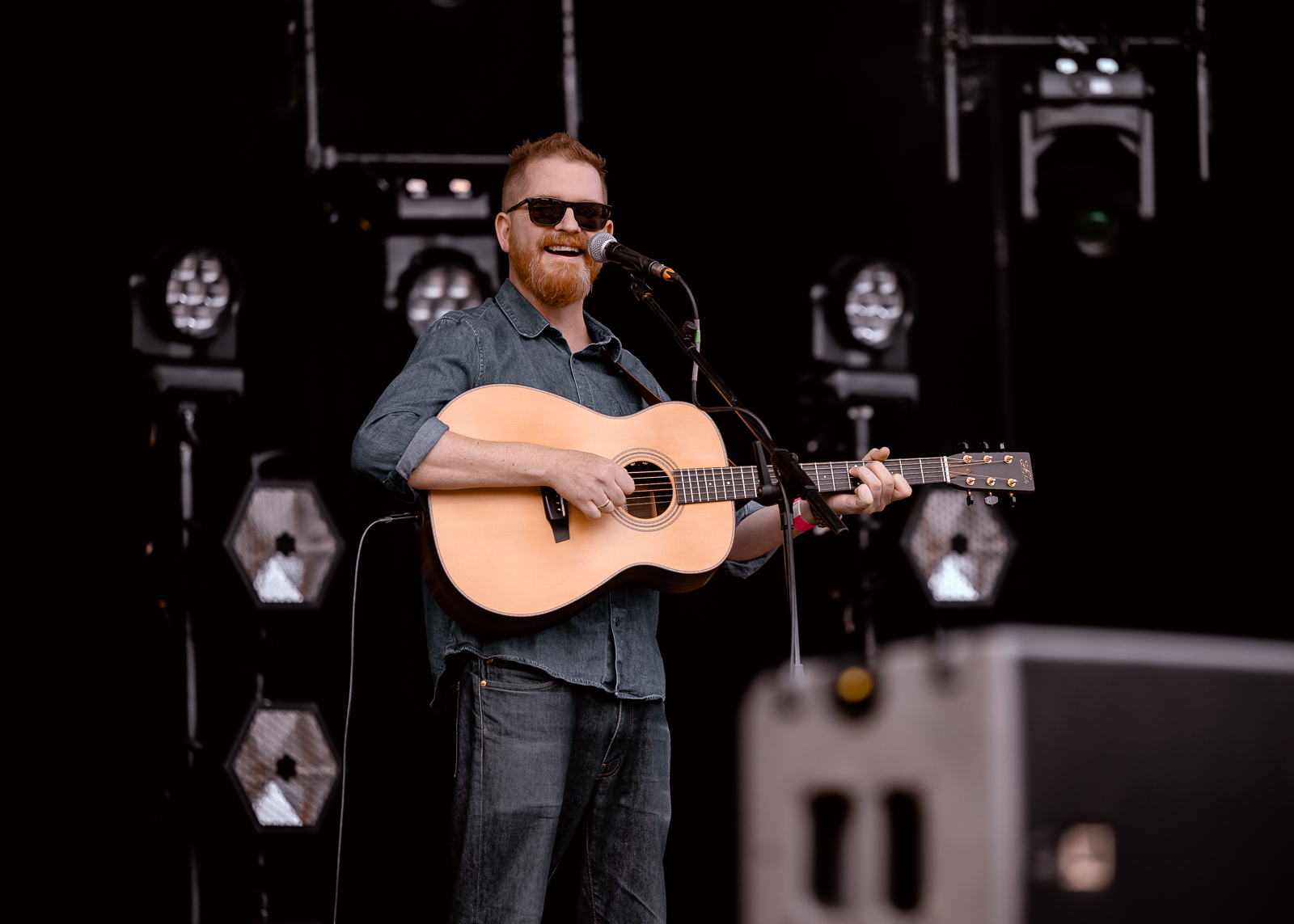
John Smith’s playing is intricate and beautiful, and then there is that deep, velvety voice – warm, rich and quietly mesmerising. His songs have a thoughtful, unhurried quality that suited the late afternoon perfectly. I could have listened to him for much longer.
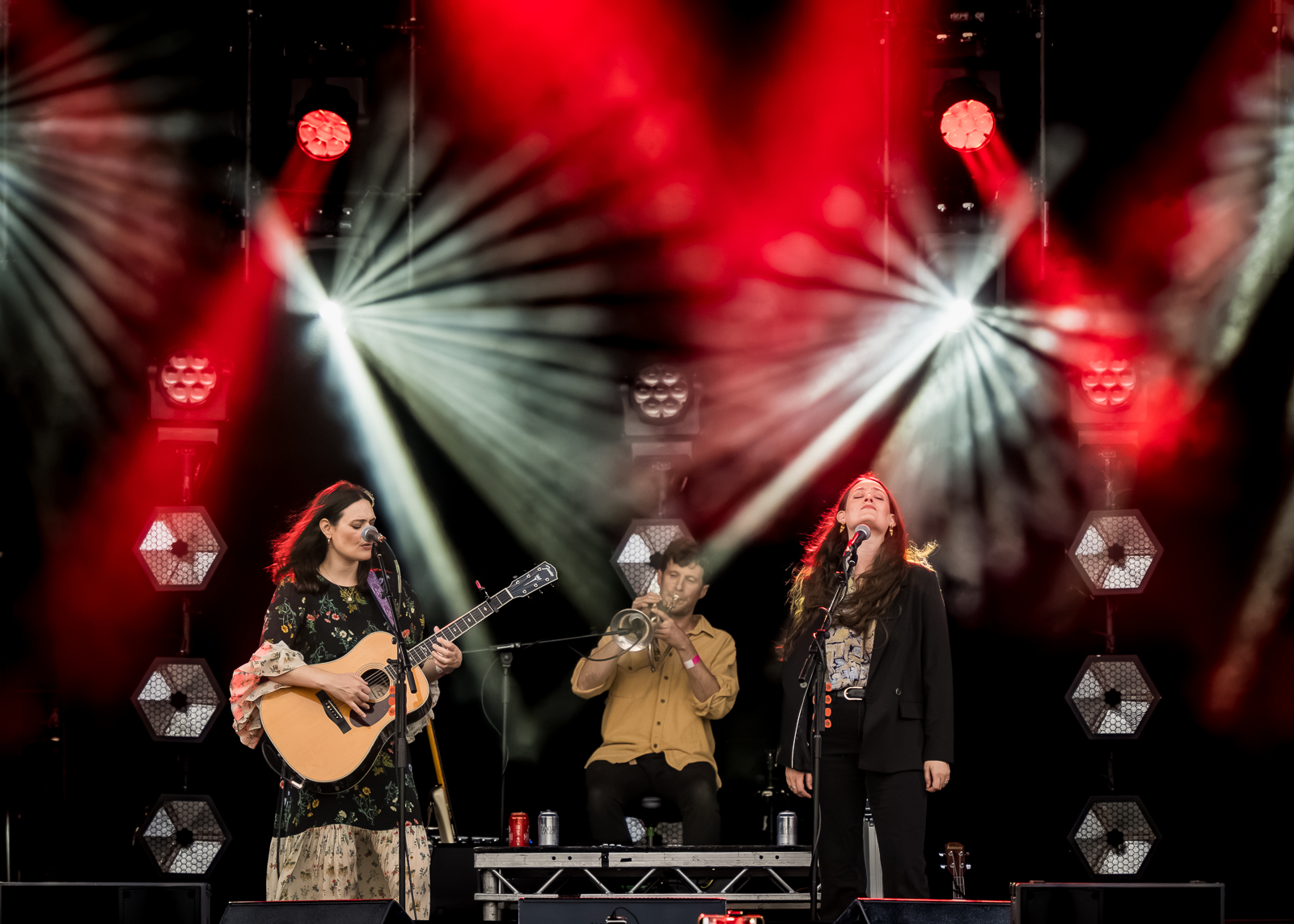
Then out come The Staves. The Staves are now sisters Jessica and Camilla Staveley-Taylor, following the departure of their older sister Emily. They originally emerged as a trio and built a considerable following with their close harmonies and beautifully arranged folk songs.
Their 2012 debut “Dead & Born & Grown” established them as one of the most interesting British folk acts of their generation, and they went on to work with people including Justin Vernon of Bon Iver.
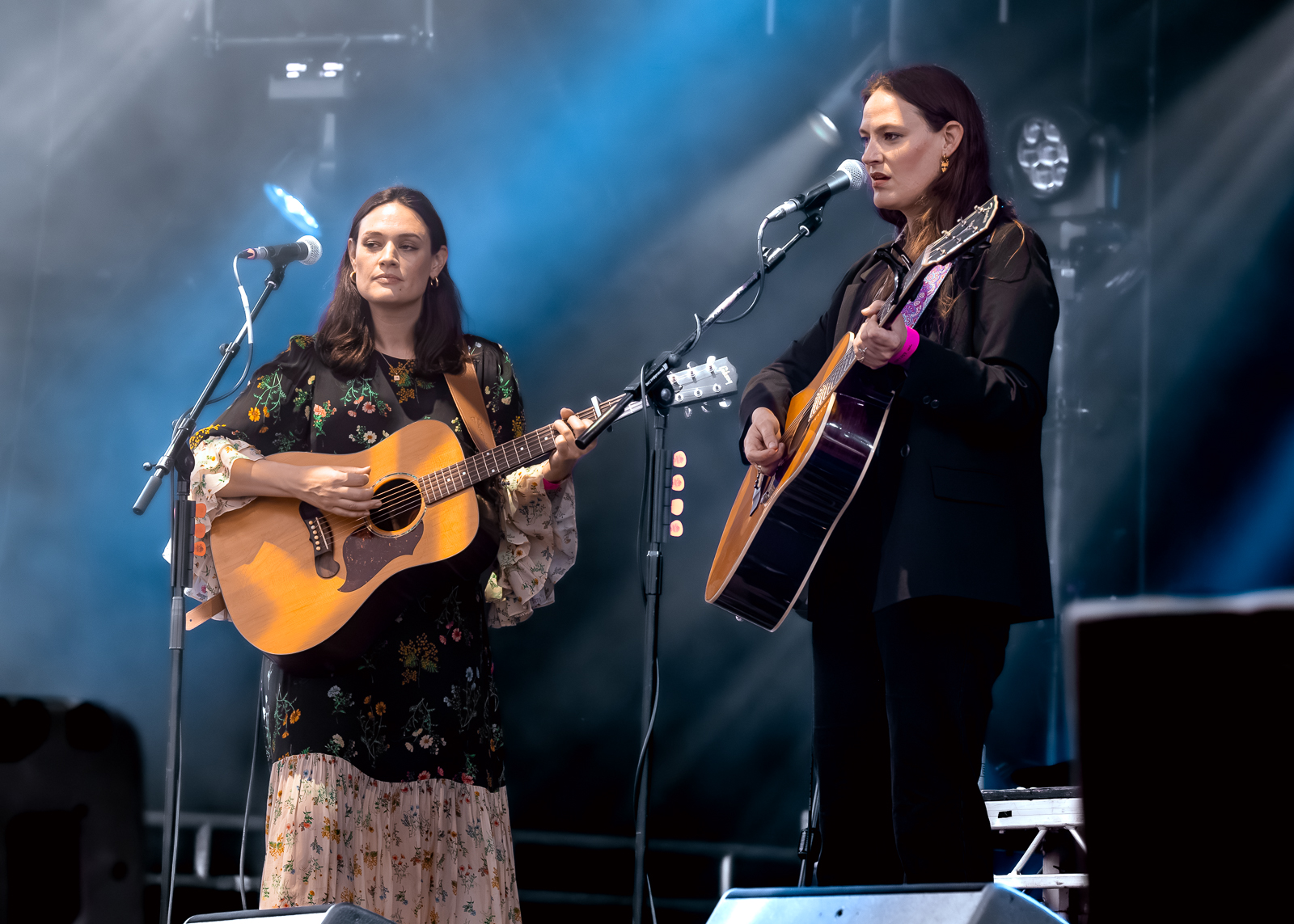
Their latest album, “All Now”, released in 2024, is the first Staves album made as a duo. It is slightly tougher than some of their earlier work, while still retaining those extraordinary harmonies.












Recent Comments