



Our deserved glowing album review gave Late Transmissions’ “The Heart Wants What It Wants” five stars – hailing stunning singer Eve Quartermain “a real find”. But Eve’s background is shrouded in mystery. Until now…
With that unmistakable scouse accent, the telephone is answered bang on 2pm by a female voice who is asked is that Eve? No, she replies. Oh, I may have the wrong number then…No, you don’t, but you can call me Jo. Now I am confused!
It is probably the first time ever in a long journalism career where I have gone into an interview “blind”. No bio or background in advance of the interview at all, apart from hearing this Eve Quartermain’s voice on the unique Late Transmission’s album [released on Friday 1st May via Music Saves], and seeing her photographs and her appearance in the music videos as part of the pre-release promo campaign for the record.
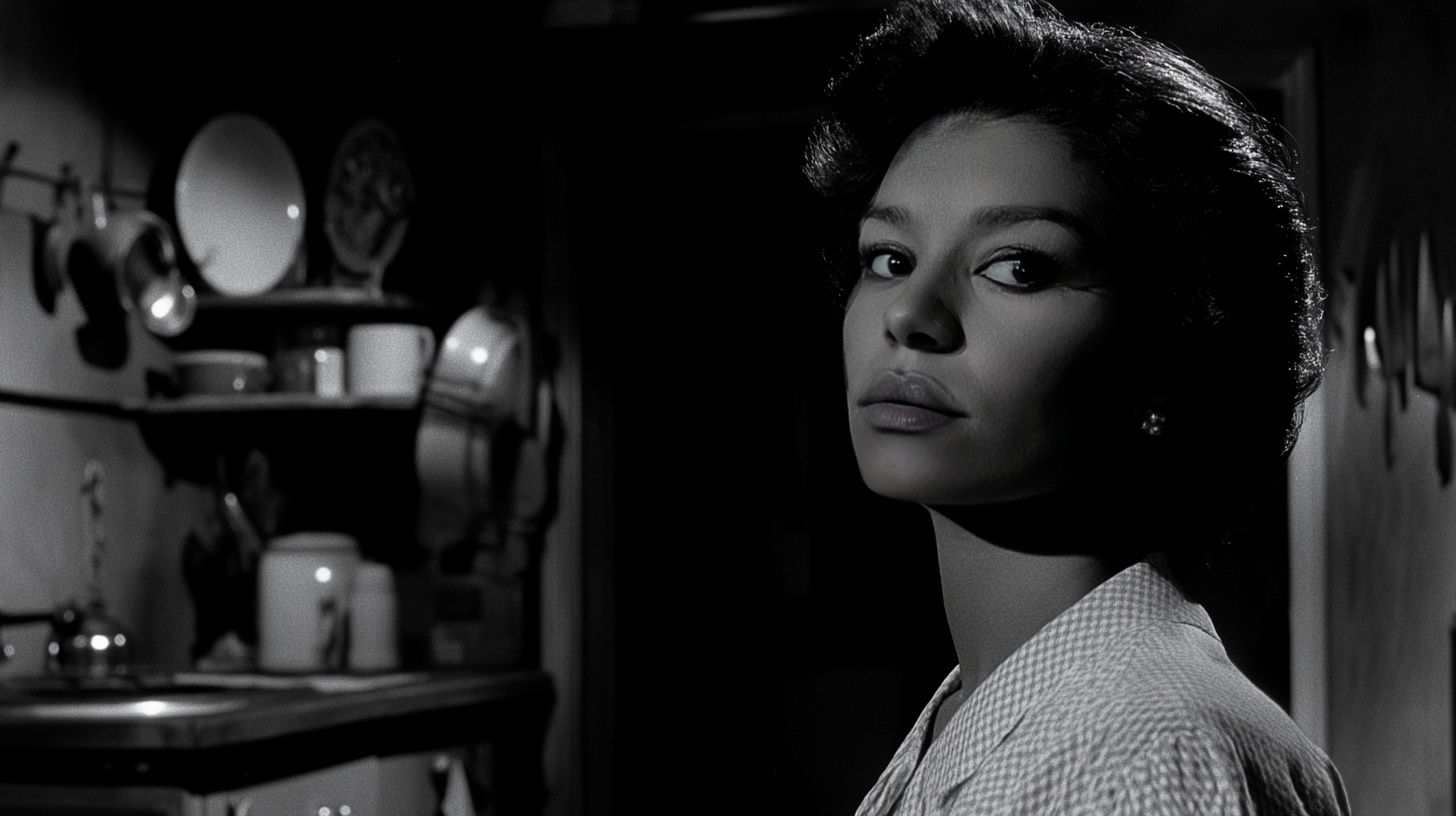 And being hugely impressed with this new-to-me singer and very curious to answer my own question as per the headline on this article. Who the heck is Eve Quartermain?
I did a bit of a deep dive to see if I could find out more than the name Eve Quartermain on-line before calling Eve, but not much help; turns out Eve Quartermain is a pseudonym. Joanna Brown or just Jo in real life. Born in Widnes and has lived in London, New York and for some years now in Liverpool.
This magazine’s review by Manja Williams of “The Heart Wants What It Wants”, the debut album from “Late Transmissions starring Eve Quartermain”, awarded it a full-house five stars, calling it “a striking piece of cinematic pop – where lush ’60s orchestration collides with jazz inflections and shadowy ’90s noir beats. It doesn’t just sound like a record; it feels like a film unfolding in slow motion”.
She goes on to call it “a future classic” and lavishes praise on Eve’s vocals. I concur and I am pretty sure we will be hearing some of these tracks pop up on TV and film soundtracks eventually.
The project reunites producers Dave Balfe and David Hughes, former band mates in proto-synth act Dalek I Love You, and collaborators from the Merseyside post-punk scene. David Balfe’s journey from Big In Japan and The Teardrop Explodes to founding influential labels such as Zoo and Food Records, and championing acts including Blur and Echo & The Bunnymen is well documented. David Hughes, meanwhile, after playing with OMD carved out a formidable career in film and television scoring, including work on “Lock, Stock and Two Smoking Barrels”.
Mr Hughes apparently came up with the name Eve Quartermain in a dream and he and Dave penned the songs on the album, inspired by the likes of Shirley Bassey, Dusty Springfield, John Barry and Scott Walker. They set about seeking the right voice to step into Eve’s shoes, not an easy task, but via a music industry contact, who said, “why not give our Jo a try”, their search bore fruit after she sang just one song for them in the studio.
That contact did them a whacking big favour and he turns out to be successful international veteran artist Thomas Lang, who Jo calls dad after he unofficially adopted her some years ago after she had endured a turbulent time in her younger years.
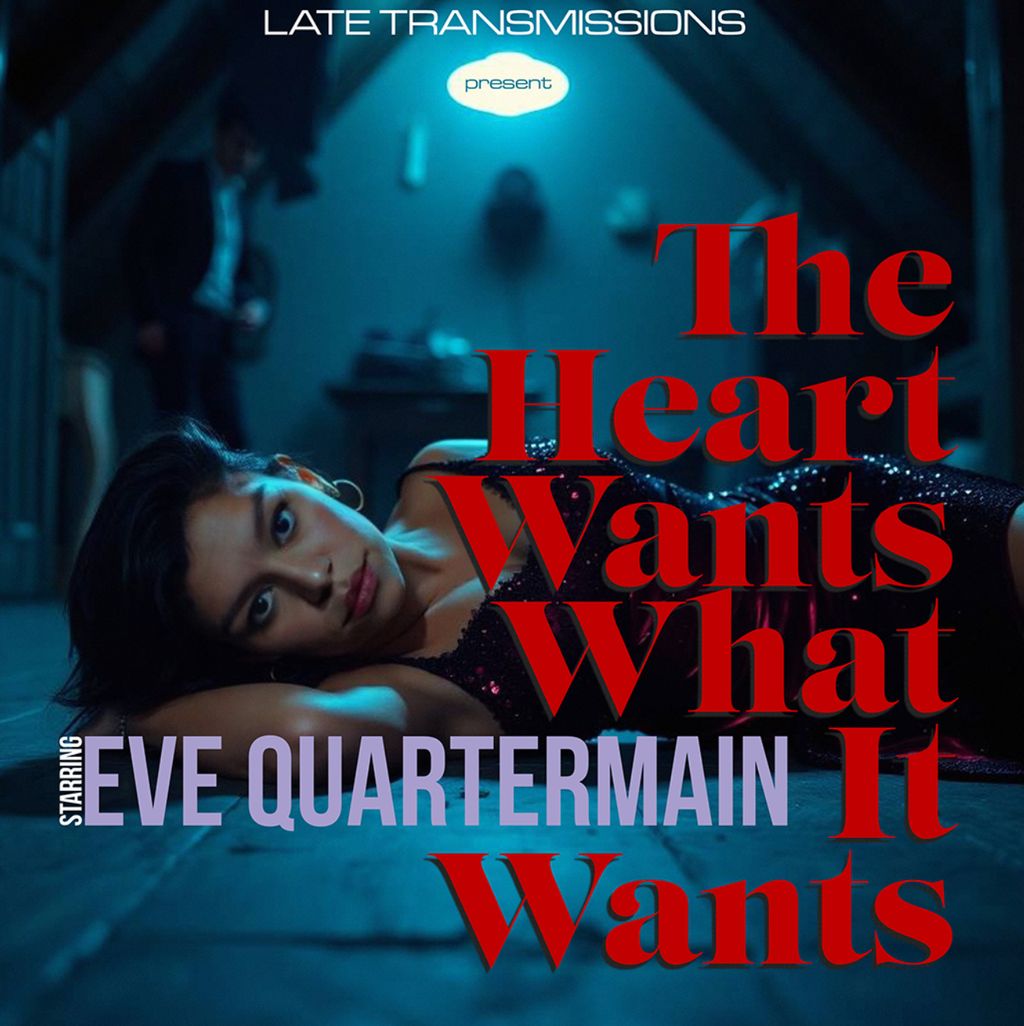
Jo’s vocals on the 11 tracks on “The Heart Gets What The Heart Wants” are sultry, dramatic, powerful and unforgettable. She is an exciting discovery and without her impactful voice and interpretation of these songs, this album would be here today and gone tomorrow. But Eve aka Jo gives the songs enormous emotional weight by drawing from all the tough times and trauma in her past life.
Looking a lot younger than her 42 years, Jo traces her own story for me with sincerity, emotion and humour. “I am the almost girl” she says, referring to her various tastes of almost major breakthrough success in music across the years that have not quite worked out in the end. Over to Jo…
“Originally from Widnes, but lived in Liverpool for years. My mum and my late biological dad were both scousers; Mum’s dad was a Nigerian seaman. My biological dad was a train robber and went to jail where he ‘found’ God, and when he came out of jail he met mum at church. 10 years older than her and she was very innocent. Mum left dad when I was three-months-old and we next bumped into him when I was three.
“He had nothing to do with us, and I did not meet him until I was in my 20s. He has passed away now. I left home quite early as my mum had a lot of domestic violence when I was growing up, by her then partner, from when I was two.
“Our household was chronic domestic violence, so we’d go to school and be like little superstars, but we’d come back and we were not even allowed to speak aloud or have our own opinions. So I had to leave and it was just really rough.” But Jo found escape, comfort and her calling really, in singing first at school and then outside of school.
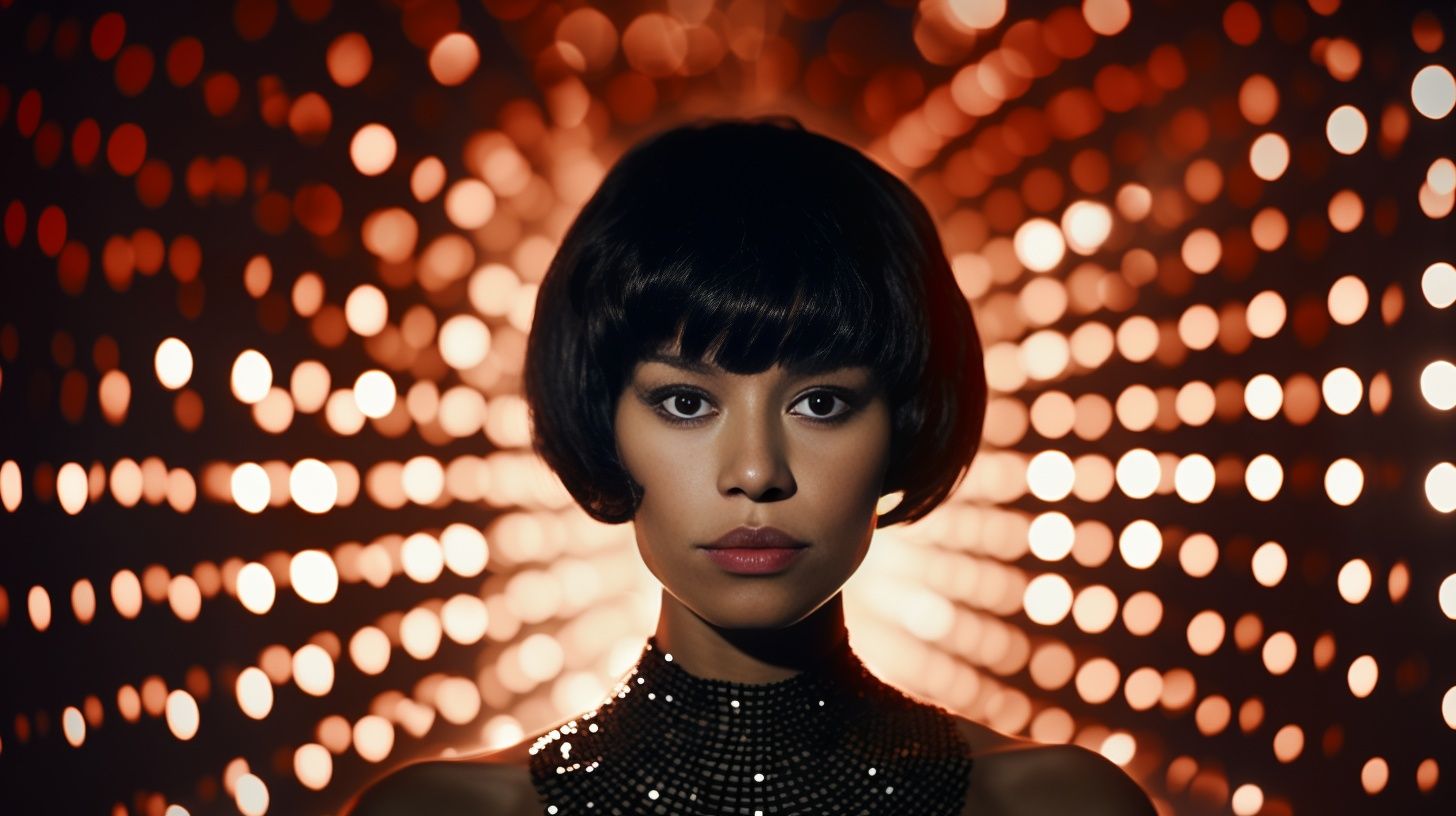 She always landed the main parts in school plays and musicals and at local youth groups. Her inspiration came from hearing her mother singing Tina Turner songs to her records by the superstar.
“I was three-years-old in the bath and mum was singing ‘What’s Love Got To Do With It’ by Tina Turner and I sang along with her, and when I belted out ‘what’s love got to do with it’ she was like, wow is that you? That was it then and that became my little party piece; ‘go on do Tina Turner’.
“I was always a little performer, but I wasn’t that outgoing. I was always in the school play and the main part, always in the school choir, in a band at school, always in a summer school and youth theatre. I was very much praised, but no one was interested in what I said, especially at home. But I was praised for singing and performing at primary school”.
 Jo speaks affectionately about the encouragement she was given at school for her love of singing and performing. “I am a working class person from a council estate. It was all community-based things and our school was just fantastic. There was a teacher who played piano in assembly and choirs, and everyone was having a go at flute, piano, violin, recorder, singing. All the teachers encouraged me; it was my little identity, ‘oh that’s what Joanna does’.
“But growing up outside of Liverpool in the 80s, I was one of the very few people who weren’t white. Mum was from Toxteth in Liverpool, but their house was compulsory purchased and they were relocated to Widnes where I grew up.
“I started writing songs, recording them in a friend’s bedroom when I was doing performing arts in college, but I dropped out as I was having a bit of a tough time with everything, suffering from PTSD due to childhood trauma.
“I adore my mother and that is why a lot of the Tina Turner story and inspiration lands with me, because I feel it and I am really passionate about being an advocate for domestic violence survivors, of which my mum is and a lot of women are”.
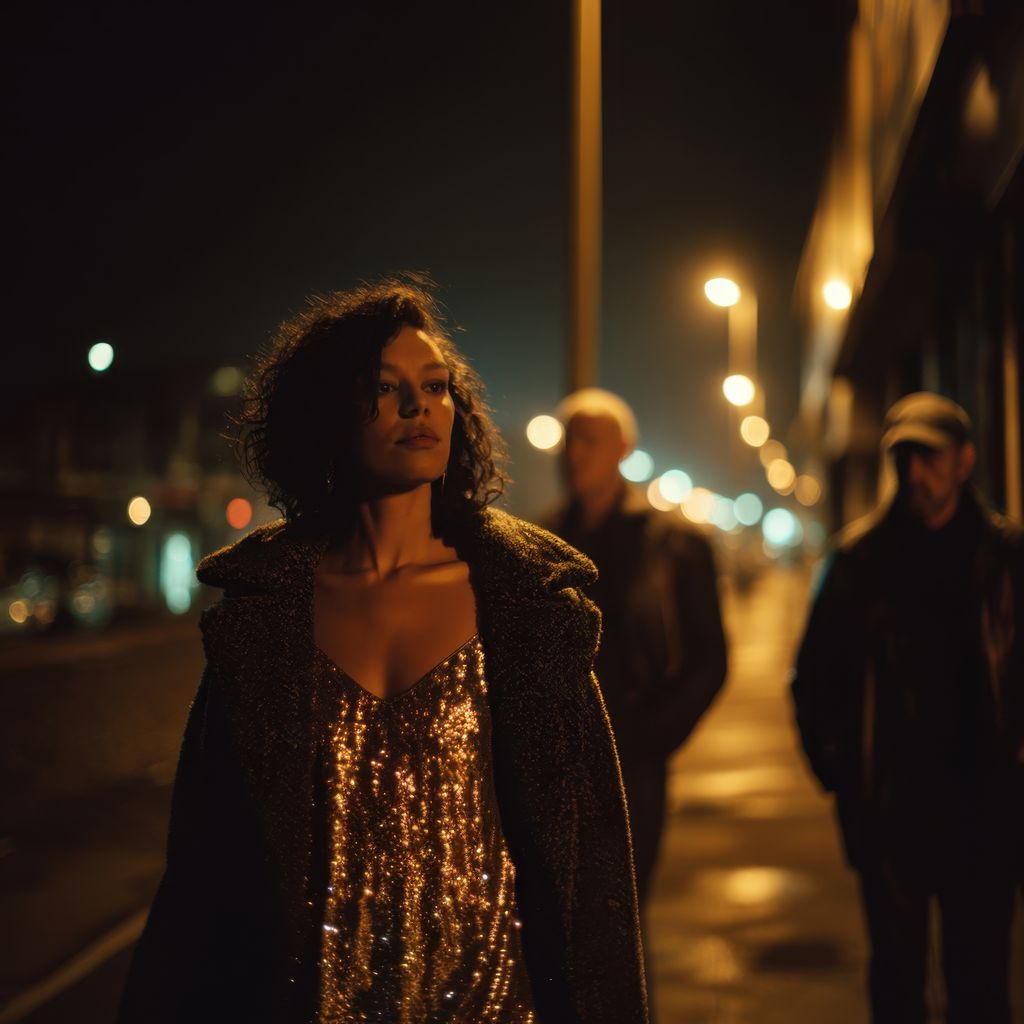
Jo began working a bar job in her late teens and early 20s at the famous Parr Street recording studios in Liverpool which also has a hotel attached to it. “I did event management, bar work, cleaned the toilets, cleaned the hotel; I was very much part of the furniture at Parr Street for a couple of years”.
She met many music stars there, some of whom are friends today, including singer and entertainer Thomas Lang who eventually, with his husband, took the troubled Jo under his wing as her mentor, and became her informal adoptive father. “He really gave me the nurture I needed”. She calls him dad today. He has helped her in her music career too over the years making introductions to music biz folk, including for this latest Late Transmissions album project.
Jo has done a fair bit of session-singing work and backing vocals. She placed an advert in a music shop in Liverpool some years ago which lead to meeting Gary Christian [of The Christians], to sing on songs he and his colleagues had written for other artists. Jo was also in underground funk band Taste of Josephene, who were nominated for an ‘unsigned’ award.
 But she grew disillusioned with the Liverpool music scene and had this urge to leave and try pastures new. “One big name festival promoter told me, you are one of the best singers I’ve ever seen live, but I’d imagine no one knows what to do with you. I wouldn’t book you for my festival. I thought, ok, right. I need to go, I need to get out of Liverpool. That was the attitude anywhere in the UK I went, but when I went to America they were like, hey baby, you are it”.
She went to London for a few months and then to New York. In London she attended various auditions and tried to set up a girl group called the Mojitos. Then she flew to New York and stayed with a friend for a month and auditioned to be part of a music showcase, which was a big turning point.
“Everything l’d done in the UK was always, ‘oh you’re great but change this, have you ever thought of doing dance music etc, not funk, not rock’….In New York the showcase organiser was like, ‘Wow, oh we love you’ and walked me round a load of record labels and music business contacts, he was very well connected and could walk into all the labels. I was based there on and off for four years and landed a record deal”.
Jo signed to the Jam Brothers label in New York which was distributed by Sony. She worked with A-List song writers and producers associated with Beyoncé, Naughty Boy, Plan B, and CeeLo Green, who all knew she was a special talent and could be huge. She released an acclaimed EP and some singles, plus music videos, but lack of a decent promotional budget ultimately stifled the success of those records.
Missing family and friends after four years of hopping back and forth over the Atlantic, Jo came back to the UK. But she has no regrets, as she says: “I learned so much as an artist, but the label signed me as a funk-rock act and then they wanted me to be a pop act. I’m the almost girl – I almost did this and got that, but it never came off….”
She trained with renowned vocal coaches such as Craig Derry in New York and Jennifer John in the UK, and has worked as both a solo artist and a backing vocalist for established acts like The Icicle Works with her pal Ian McNabb. Her professional experience spans genres including rock, pop, blues, jazz, gospel, soul, dance/house and funk.
Back to her admiration for Anna Mae Bullock aka Tina Turner, Jo recalls her own childhood exploits: “When we were kids out playing with other kids, one was being He-Man or Superman, one was Superwoman and I was being Tina Turner. I just thought she was this super hero, and then a few years later I knew more about her life; but I just loved her music so much. I also loved musicals and Judy Garland, Shirley Bassey and old fashioned things I’d watch with my Nanna.”
Those influences from singing along in the bath to Tina at three, and as a young girl hearing Shirley and co with her Nanna have come in handy today. Jo travels the UK in a top class tribute show to Tina Turner, performing with a full band in churches, cathedrals, theatres, golf clubs, country house hotels and social clubs. This includes the popular Concerts by Candlelight series, which saw her fulfill a dream last month with a sold out show inside the historic Liverpool cathedral.
After her ‘dad’ Thomas Lang suggested to David Hughes [who had produced some of his albums] that they give “our Jo” a shot at the Eve Quartermain role for the album, she sent them some of her own recordings and was invited to record Late Transmissions’ tracks “Unexploded Bomb” and then my favourite, “I’m Done With London”. They knew straight away she was absolutely perfect and here was Eve Quartermain.
“This project is lovely, it’s great and who knows where it will go. I just want to fill rooms, people to buy tickets and to connect with an audience, play to people live and people to connect with the music. Live is where I love and live. I really hope to do that with the Late Transmissions material sometime. The songs are incredible, it’d be down to how do we do it live and do it right. I am hoping for that. I have some great ideas how I’d love to perform this live.”
So referring back to her comment of being “the almost girl”, is this the project to deliver deserved widespread success, at last, for Jo?
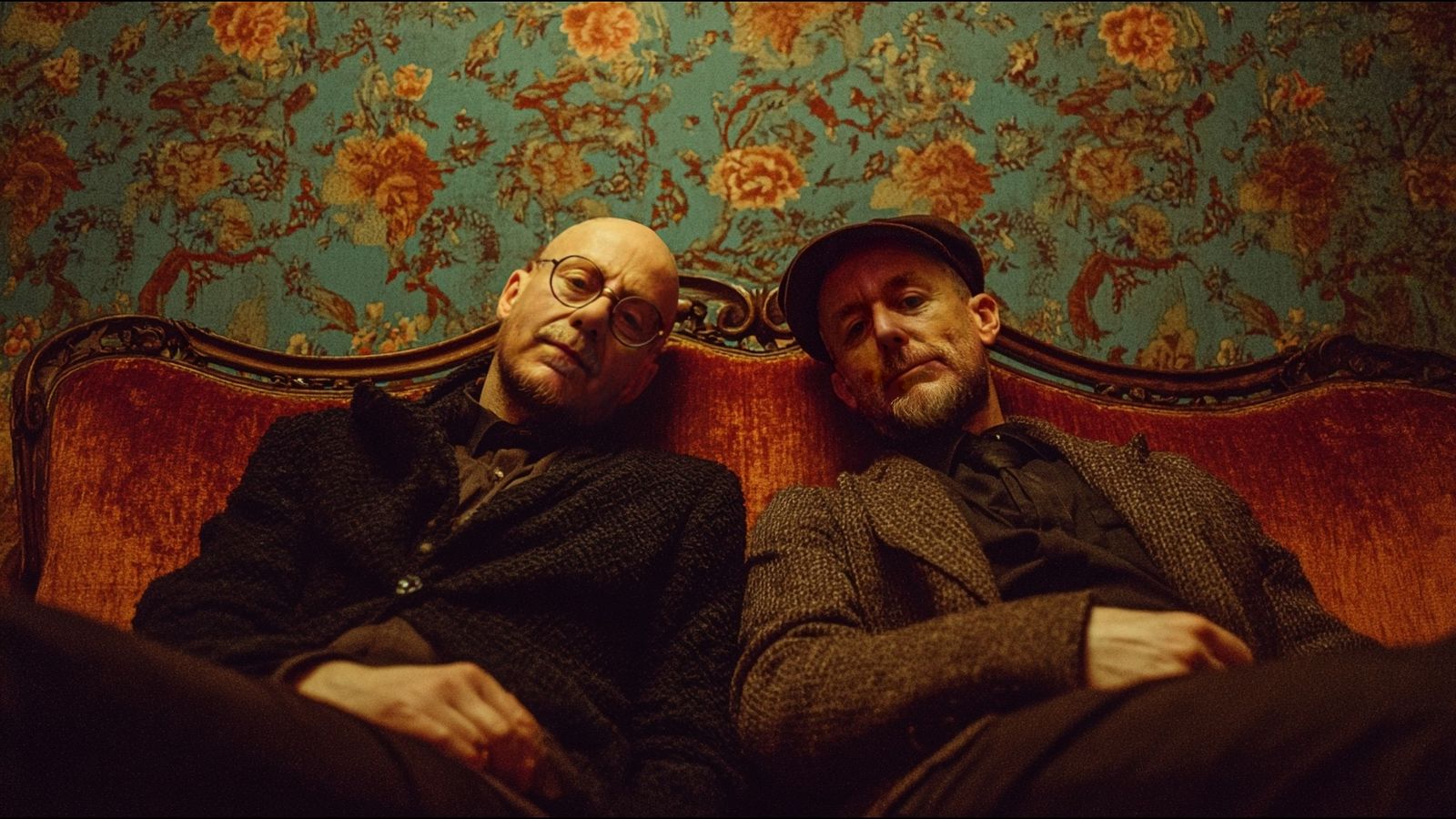
- Joe has studied counselling up to level three and will go for her level four and she has also volunteered for a crisis line for those going through emotional crisis.
By Simon Redley










Recent Comments